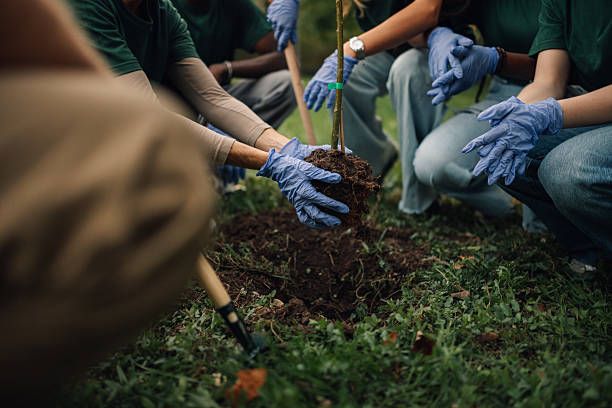
Have you ever looked at a patch of dry, empty land and imagined a thriving forest in its place? For the residents of one inspiring New Zealand town, that dream is officially becoming a reality. In a world where we often hear about habitat loss, this community decided to pick up shovels and write a different story one filled with green leaves, buzzing insects, and the return of rare native birds.
This isn’t just about planting a few trees in a park; it’s a massive environmental comeback story. By restoring a degraded valley, locals are creating a “wildlife corridor.” Think of it like a highway, but instead of cars, it’s for tūī, bellbirds, and lizards to travel safely from one patch of forest to another. It’s a beautiful example of how nature can heal when we give it a helping hand.
The Power of Local Hands
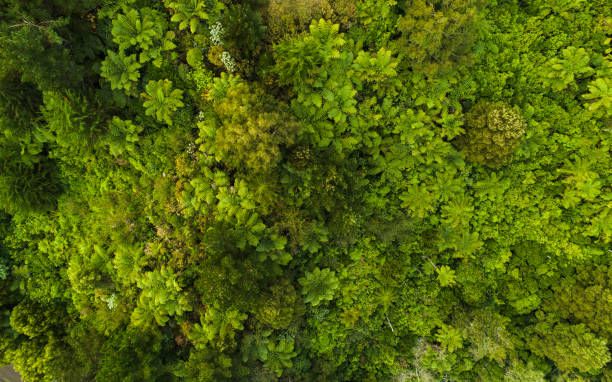
The project has seen tens of thousands of native trees go into the ground. We’re talking about iconic species like the Mānuka, Kānuka, and Tōtara. These aren’t just plants; they are the backbone of New Zealand’s unique ecosystem. For years, this valley was struggling with invasive weeds and erosion, but thanks to the sweat and dedication of volunteers, the landscape is shifting from brown to a lush, vibrant green.
What makes this even more special is the “why” behind it. This community effort is part of a much bigger national goal. New Zealand is currently on a mission to restore thousands of hectares of native forest by 2030. It’s a race against time to protect biodiversity, and every single tree planted in this valley is a victory for the planet.
Why Wildlife Corridors Matter
You might be wondering: Why a corridor? In many parts of the world, forests have become “islands.” When a forest is surrounded by farms or houses, the animals living there get stuck. They can’t find enough food or meet other members of their species to raise families.
By planting this valley, the town is building a bridge. This corridor allows:
● Birds to move between larger forests to find seasonal fruits.
● Insects (like the amazing Wētā) to find new homes and pollinate more plants.
● Lizards to hide from predators in the thick native undergrowth.
A Legacy for the Next Generation
The most heart-warming part of this project is seeing people of all ages involved. From toddlers carrying small saplings to grandparents sharing their knowledge of the land, it’s a multi-generational effort. These volunteers are literally planting the shade they may never sit under, creating a gift for the children of the future.
When we plant native forests, we aren’t just helping animals. We are also:
● Cleaning our water: Roots act like filters, keeping soil out of streams.
● Fighting climate change: Trees soak up carbon dioxide as they grow.
● Improving our own wellbeing: Walking through a forest is one of the best ways to de-stress!
How You Can Help
You don’t have to live in New Zealand to make a difference. Whether it’s planting a native shrub in your backyard, joining a local “Friends of the Park” group, or simply sharing stories like this to inspire others, every action counts.
The story of this New Zealand town proves that no valley is too degraded to be saved, and no community is too small to make a global impact. It’s a reminder that while the world has its challenges, there is also an incredible amount of hope growing right under our feet.
What will you plant today?
Stay Updated on the Project
If you want to follow the progress of this restoration or learn more about the specific species being planted, you can check out the full story here:
 Postive News for Health
Leave a comment