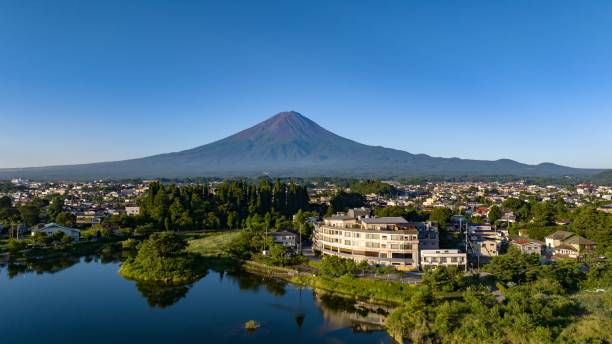
Have you ever dreamed of standing above the clouds, watching the sunrise turn the sky into a palette of brilliant pinks and oranges? For many, climbing Mount Fuji is a “bucket list” experience that defines a trip to Japan. This year, the legendary peak is welcoming hikers back, but with a refreshing twist. Japan has officially reopened its seasonal hiking routes, and they’ve introduced some clever new rules to make sure the mountain stays beautiful for generations to come.
Mount Fuji isn’t just a mountain; it’s a cultural icon and a sacred site. However, being famous comes with challenges. In recent years, the sheer number of visitors led to crowded trails and a bit too much litter. To fix this, authorities have launched a sustainability-focused reopening.
By introducing daily visitor limits and stricter waste-management rules, they are tackling soil erosion and pollution head-on. It’s all about “slow travel”—enjoying the journey while leaving nothing but footprints behind.
The local communities and national park staff have been working tirelessly behind the scenes. Their hard work is paying off, as recent reports show that trail conditions are the best they’ve been in years. If you’re planning a trip, you can expect cleaner paths, more breathing room, and the peace of mind that your visit is supporting a healthy ecosystem.
This is a huge win for eco-conscious travelers who want to see the world without harming it.
Before we dive deeper into the best trails to pick and what to pack for your Japanese adventure, I’d love to invite you to join our growing community! If you’re looking for more tips on smart travel, wealth-building, and living your best life, hop into our Discord community at https://discord.gg/wuT3mMP2UF It’s a great place to meet like-minded people. And if you find these guides helpful, you can support the mission at buymeacoffee.com/solacegrowth. Your support helps us keep creating high-quality content for you!
Understanding the New Rules: What’s Changed?
If you’ve hiked Fuji before, things will look a little different this time around. The goal isn’t to keep people away, but to ensure that the “climbing experience” remains high-quality. Here is the breakdown of the new measures:
● The Visitor Cap: To prevent “bullet climbing” (where people rush to the top without resting, which is dangerous), there is now a daily limit on the number of hikers allowed on the most popular trails, like the Yoshida Trail.
● The Entry Fee: While there has always been a voluntary donation, there is now a mandatory climbing fee for certain routes. This money goes directly toward maintaining the toilets, repairing the trails, and keeping the mountain clean.
● Strict Waste Management: “Carry in, carry out” is the golden rule. There are fewer trash cans on the mountain to encourage hikers to take their waste back down to the base.
These changes might seem strict, but they are actually great for hikers. Fewer people on the trail means you won’t be stuck in a “human traffic jam” while trying to reach the summit. You get more space to enjoy the view and a much quieter, more spiritual experience.
Picking Your Path: The Four Main Trails
Mount Fuji has four major routes, each offering a different vibe. Choosing the right one depends on your fitness level and what you want to see.
● The Yoshida Trail (Yellow): This is the most popular route. it has the most mountain huts and shops, making it great for beginners. Because it faces east, it’s the best place to see the sunrise even if you don’t make it all the way to the top.
● The Subashiri Trail (Red): This trail meets the Yoshida trail halfway up. It’s famous for its forested sections, providing some nice shade during the early parts of the hike.
● The Gotemba Trail (Green): This is the longest and toughest route. It’s best for experienced hikers who want to avoid crowds. The descent is famous for the “Great Sand Run,” where you can run down volcanic ash fields.
● The Fujinomiya Trail (Blue): This is the shortest route to the summit, but it’s very steep and rocky. It’s located on the southern side of the mountain, offering great views of the coastline.
Why This Matters for the Future of Travel
The reopening of Mount Fuji is a blueprint for how other famous landmarks might operate in the future. We live in a world where “over-tourism” can quickly ruin the very places we love. By setting boundaries, Japan is showing us that we can still enjoy nature’s wonders as long as we treat them with respect.
When we travel sustainably, we aren’t just protecting trees and dirt; we are protecting the local culture. Mount Fuji is a UNESCO World Heritage site, and it belongs to everyone. Following the new rules is a small price to pay for the privilege of standing on its summit.
Tips for a Cheerful (and Safe) Journey
Climbing a mountain is a physical challenge, but it should also be fun! Here are a few tips to keep your spirits high:
● Take it Slow: Altitude sickness is real. Take frequent breaks at the mountain huts. Grab a hot bowl of noodles or a cup of tea.
● Talk to Fellow Hikers: You’ll meet people from all over the world. A simple “Konnichiwa” (Hello) or “Ganbatte!” (Do your best!) can lead to great conversations.
● Check the Weather: Mount Fuji creates its own weather. Even if it’s sunny at the bottom, it could be a thunderstorm at the top. Always check the forecast before you start.
● Celebrate the Small Wins: You don’t have to reach the very top to have a great time. Reaching the 7th or 8th station is still a massive achievement!
 Postive News for Health
Leave a comment